
Holbox Whale Shark: Harmony Threatened.
Conservation Project Briefing.
Mildred Heredia
2/21/20243 min read
Project Synopsis.
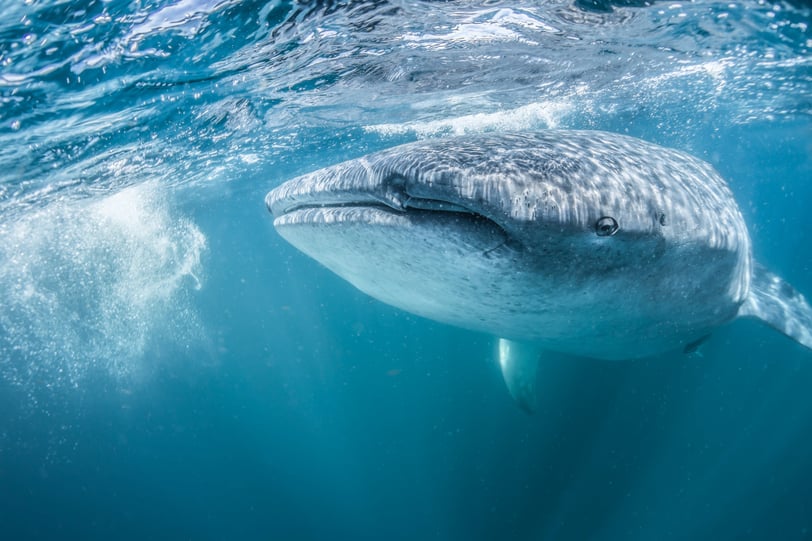
This project aims to address the detrimental impact on whale sharks at Holbox Island, resulting from the significant and escalating influx of tourists each year. My connection to this topic stems from my residency on the island, where I directly observed the magnificence of this species alongside the harm it faces. With no proactive measures in place to mitigate this issue, urgent action is imperative.
The objective is to leverage viral audiovisual content to raise awareness and catalyze action to rectify this situation.
I have developed this project idea by drawing inspiration from impactful audiovisual productions such as the "Tales by Light" series on Netflix and BBC’s "Blue Planet" documentary series. Combining my expertise in social media and experience as a content specialist, I am committed to driving meaningful change through this initiative.
Project Briefing.
Holbox Island, located in the northern part of the Yucatán Peninsula, Mexico, is home to the magnificent whale shark during its annual visit from May to September.
Unfortunately, this cherished event is decreasing each year due to the detrimental impact of burgeoning tourist numbers. In decades past, whale sharks could be found just 30 minutes off the coastline, but today, it takes over three hours of travel into the open sea to encounter them. The escalating issue is primarily attributed to the damage inflicted by a surge in tourist boats departing from Holbox, Isla Mujeres, and Cancun, offering snorkeling opportunities with the whale sharks. The boat engines inadvertently harm these gentle giants as they feed on plankton at the surface, causing injuries to their delicate skin.
Regrettably, the urgency of this matter has been overlooked, primarily because it conflicts with the interests of hotel proprietors and the government. Furthermore, the island's residents opposing this predicament lack the means to amplify their voices beyond their confines.
To address this pressing issue, a compelling audiovisual project is proposed. It would involve a series of short documentary videos, tailor-made for a social media audience, aiming to shed light on this multifaceted problem from various perspectives. Photography and video, known for their impactful nature, are expected to resonate more deeply with the audience. The intended target demographic is individuals aged 20 to 60 who relish Caribbean travel.
This project would cover:
Marine and terrestrial wildlife.
Local life and community perspectives.
Insights from whale shark tour operators.
Government actions related to the issue.
Tourism’s influence on the island.
Tourists’ viewpoints on the matter.
Actionable steps to mitigate the situation.
In addition, a photography exhibition could be displayed at the island's central park, juxtaposing the adverse effects of tourism with the astounding richness of Holbox's marine life, with a particular emphasis on the whale sharks. This exhibition would raise awareness among both locals and tourists and would be further disseminated through social media channels to bolster its impact.
The audiovisual content should not adopt a purely scientific approach but strive to inspire viewers emotionally. When you learn something, it isn’t by memorizing it, but by feeling it. You’ll always remember how something made you feel, and depending on the emotion caused, you’ll have a reaction and a memory. The goal is to spark feelings that transform into a collective commitment to safeguarding Holbox's precious marine life.
Drawing a parallel, consider "Playa del Carmen" in the Riviera Maya. Half a century ago, it was a pristine, biodiverse paradise, but rampant tourism and insufficient regulations have led to its relentless exploitation and environmental degradation. There is a prevailing fear that Holbox may follow a similar path, a prospect that is disheartening. But it also prompts us to seek ways to prevent the deterioration of this unique area.
Let’s remember we don’t need not be perfect environmentalists, but we must decide. The power of decision always rests with us. So, let’s choose to protect the ocean, not only for the marine species but for our own sake as well.